Austria's Regulatory Framework for Wagering Incentives: Safeguards Linking Football Markets, Mobile Poker Sessions, and Player Protection Protocols
Klara Schmidt · Aug 24, 2026
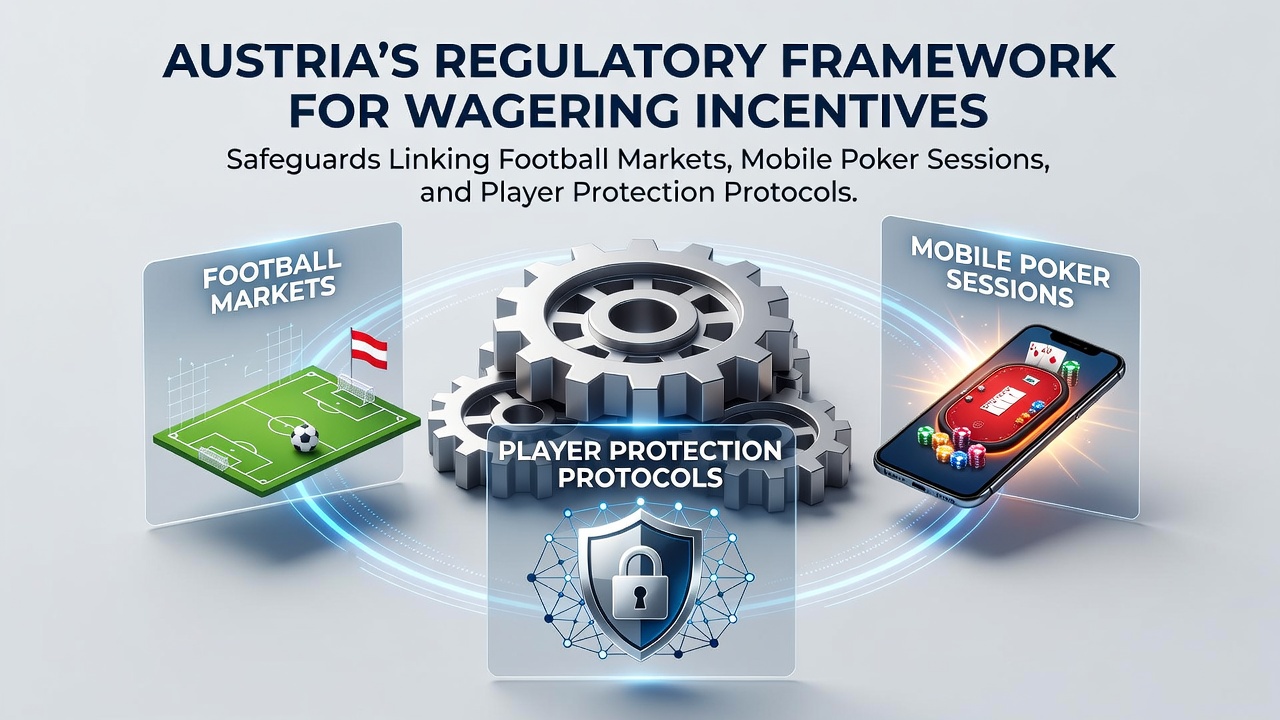
Austria's Regulatory Framework for Wagering Incentives: Safeguards Linking Football Markets, Mobile Poker Sessions, and Player Protection Protocols
Austria maintains a structured regulatory system that governs wagering incentives across multiple sectors, and this framework ties football markets directly to mobile poker sessions through shared player protection protocols that emphasize responsible conduct and risk mitigation, with observers noting how these elements intersect in practice.
Data from national gaming authorities shows that incentives such as deposit bonuses and free bets in football markets must align with limits on session durations and spending caps that also apply to mobile poker platforms, creating a unified approach that prevents isolated exploitation of promotional offers in any single vertical.
Core Elements of the Regulatory Structure
Legislation establishes clear boundaries for operators, requiring that all wagering incentives undergo approval processes that evaluate their impact on player behavior across different game types, and this includes cross-referencing football betting promotions with poker session analytics to detect patterns that might indicate excessive engagement.
Research indicates that the system incorporates real-time monitoring tools, which track incentive redemptions in football markets alongside poker activity logs, ensuring that promotional credits cannot bypass daily or weekly loss thresholds enforced uniformly.
Connections Between Football Markets and Mobile Poker
Football betting incentives often feature match-specific offers that encourage participation during peak events, yet these promotions link to mobile poker through mandatory account-level controls that carry over session data, and experts have observed how this prevents users from shifting between platforms to circumvent restrictions.
Figures reveal that operators must report aggregated data on incentive usage in both areas to regulatory bodies, allowing authorities to adjust rules when spikes in combined activity appear, particularly during high-profile football seasons that coincide with extended poker tournaments.
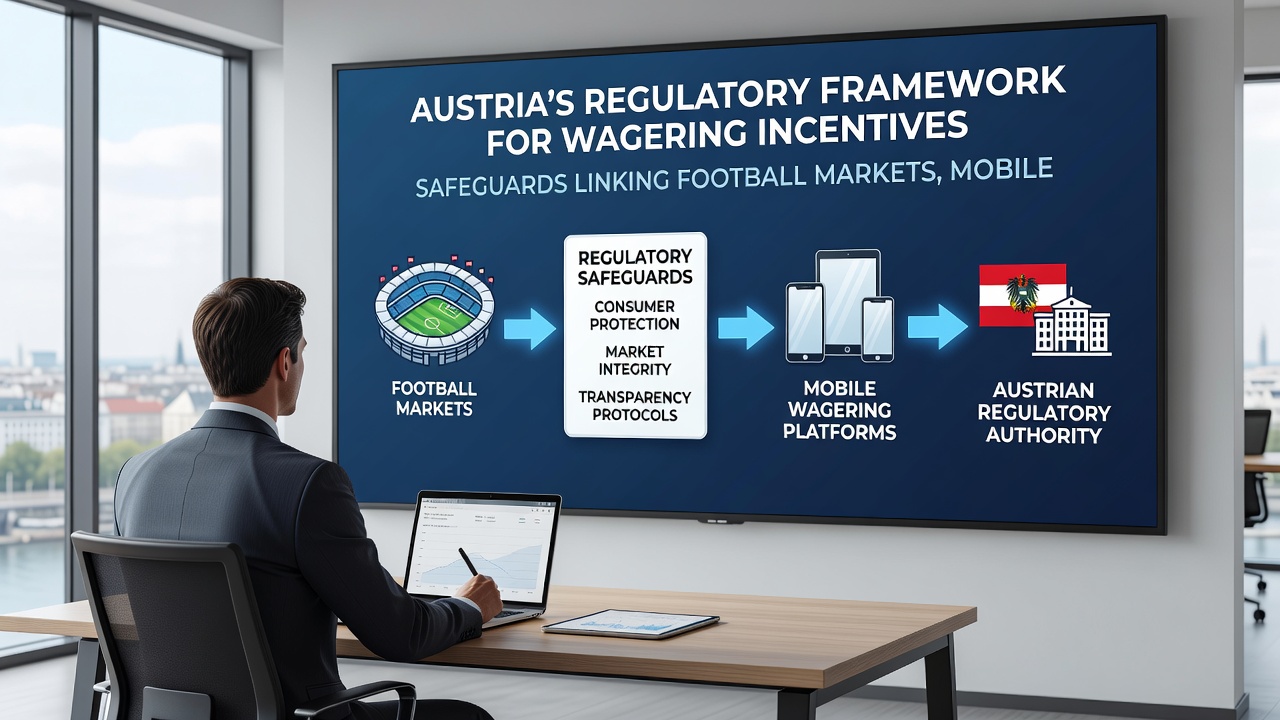
Player Protection Protocols in Action
Protection measures include mandatory self-exclusion options that span all licensed platforms, deposit limits calculated on a per-account basis, and reality checks that interrupt sessions regardless of whether the activity centers on football wagers or poker hands, with studies finding these tools reduce instances of prolonged play when incentives are active.
According to reports from the Austrian Federal Ministry of Finance, updates scheduled for implementation in August 2026 will introduce enhanced verification steps for incentive eligibility, requiring operators to confirm that users have reviewed protection resources before accessing bonuses tied to football markets or mobile poker promotions.
Compliance Requirements for Operators
Operators face ongoing audits that examine how incentives in one sector influence behavior in another, and this involves detailed logging of user journeys from football betting interfaces to poker applications, ensuring that no promotional pathway undermines the overarching safeguards.
Industry data shows that non-compliance results in fines scaled to the volume of affected transactions, prompting companies to integrate unified dashboards that display protection status across all wagering types simultaneously.
Developments Anticipated in August 2026
Regulatory adjustments set for August 2026 focus on tightening incentive structures by mandating that football market bonuses include poker-specific warnings about cumulative risk, while mobile poker sessions gain additional flags when linked accounts show recent football activity, and these changes build on existing data-sharing agreements between platforms.
Evidence from pilot programs demonstrates that such linkages help maintain balanced participation levels, with authorities planning to publish compliance summaries following the rollout to track effectiveness across regions.
Conclusion
Austria's approach integrates wagering incentives with cross-sector safeguards that connect football markets and mobile poker through consistent player protection mechanisms, and ongoing refinements including those planned for August 2026 continue to emphasize coordinated oversight based on collected usage data and compliance records.